
TAMAN BUDAYA SLEMAN





- SERVICE
- CLIENT
- LOCATION
- SIZE
- YEAR
- STATUS
- TEAM
- Architecture, Landscape, Competition (Longlist)
- Pemerintah Kabupaten Sleman
- Sleman, Jawa Tengah - Indonesia
- 2.1 Ha
- 2021
- Competition
-
Ezra Ganesha
Dedi K. Dwitomo
Fajri Ferdiansyah
Sofiani S. Nursalmah
The Sleman Cultural Center is more than just a building—it’s a vibrant new heart for the community of Sleman, blending rich cultural heritage with contemporary needs and environmental sensitivity. Situated in Sleman, Central Java, Indonesia, this project envisions a dynamic space where the ancient traditions of the region seamlessly integrate with modern life, while addressing the challenges posed by commercialization and environmental impact.
Our design concept, “Kala Kini & Nanti,” translates to “The Present and The Future.” It captures the essence of preserving the past while embracing the future. The Sleman Cultural Center is designed to be a hub where traditional values are honored and made accessible to the younger generation, ensuring that the cultural legacy remains relevant and alive. At the same time, it aims to provide solutions that harmonize cultural commercialization with natural surroundings, fostering a sense of community and well-being.
Macro Concept: Kala Kini & Nanti
- Kala Kini (The Present): This concept reflects the cultural center’s role in preserving historical values while making them relevant for today’s youth. The design ensures that traditional heritage seamlessly integrates into daily life, breaking down temporal boundaries.
- Kala Nanti (The Future): The cultural center is envisioned as a solution to the challenges of cultural commercialization, designed to coexist harmoniously with nature and contribute to the well-being of the community.
Detailed Design Concept
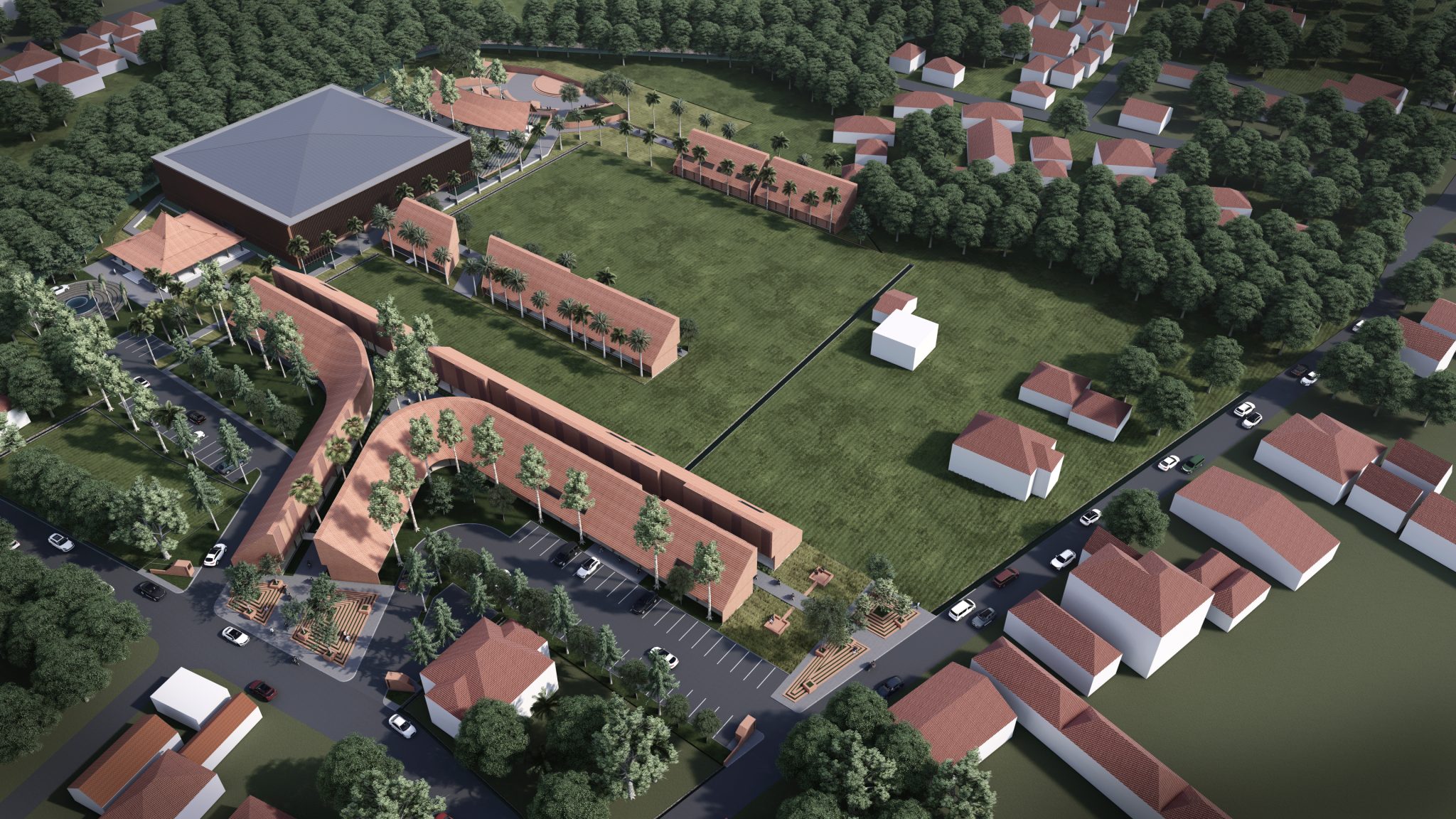
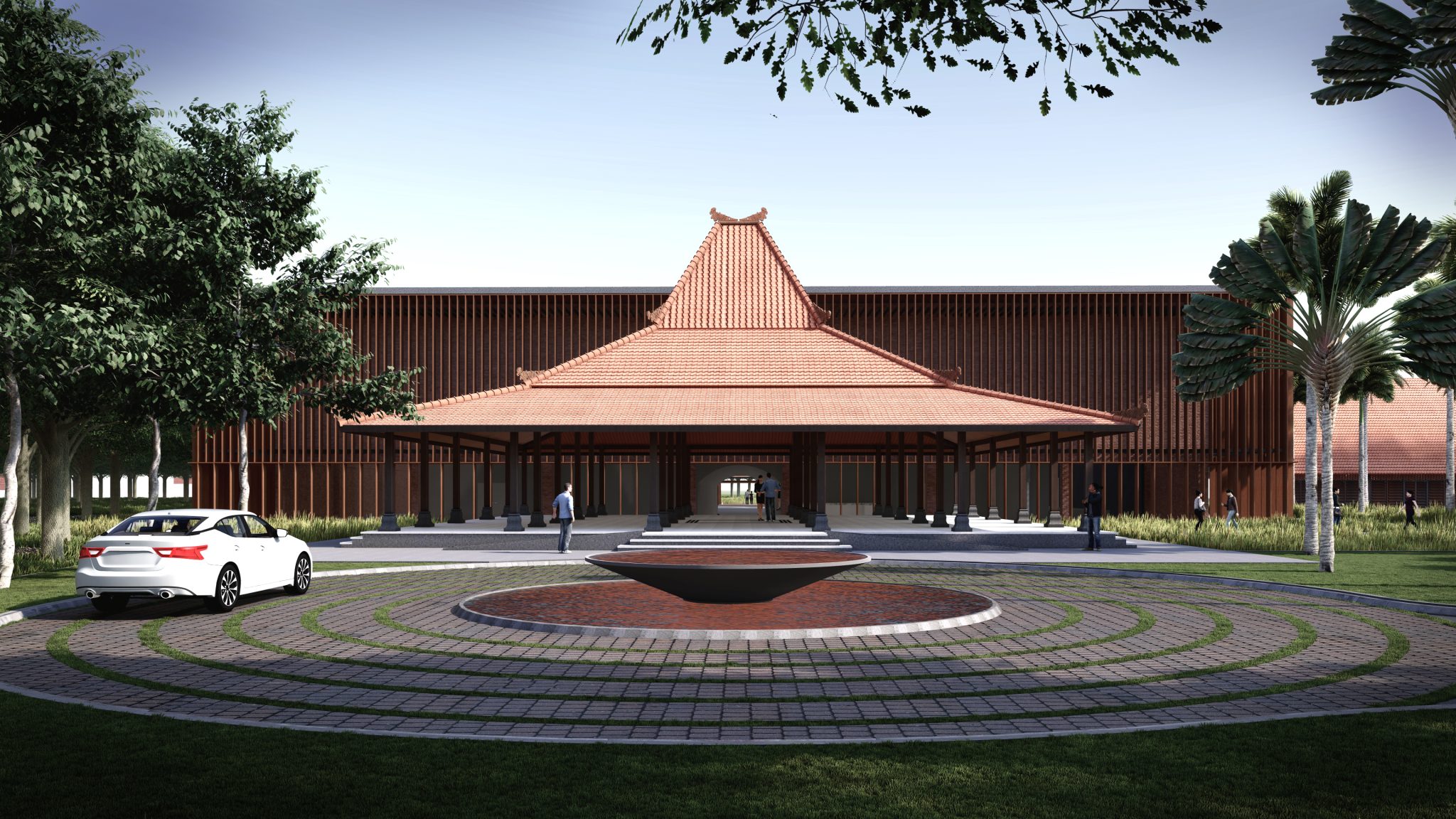
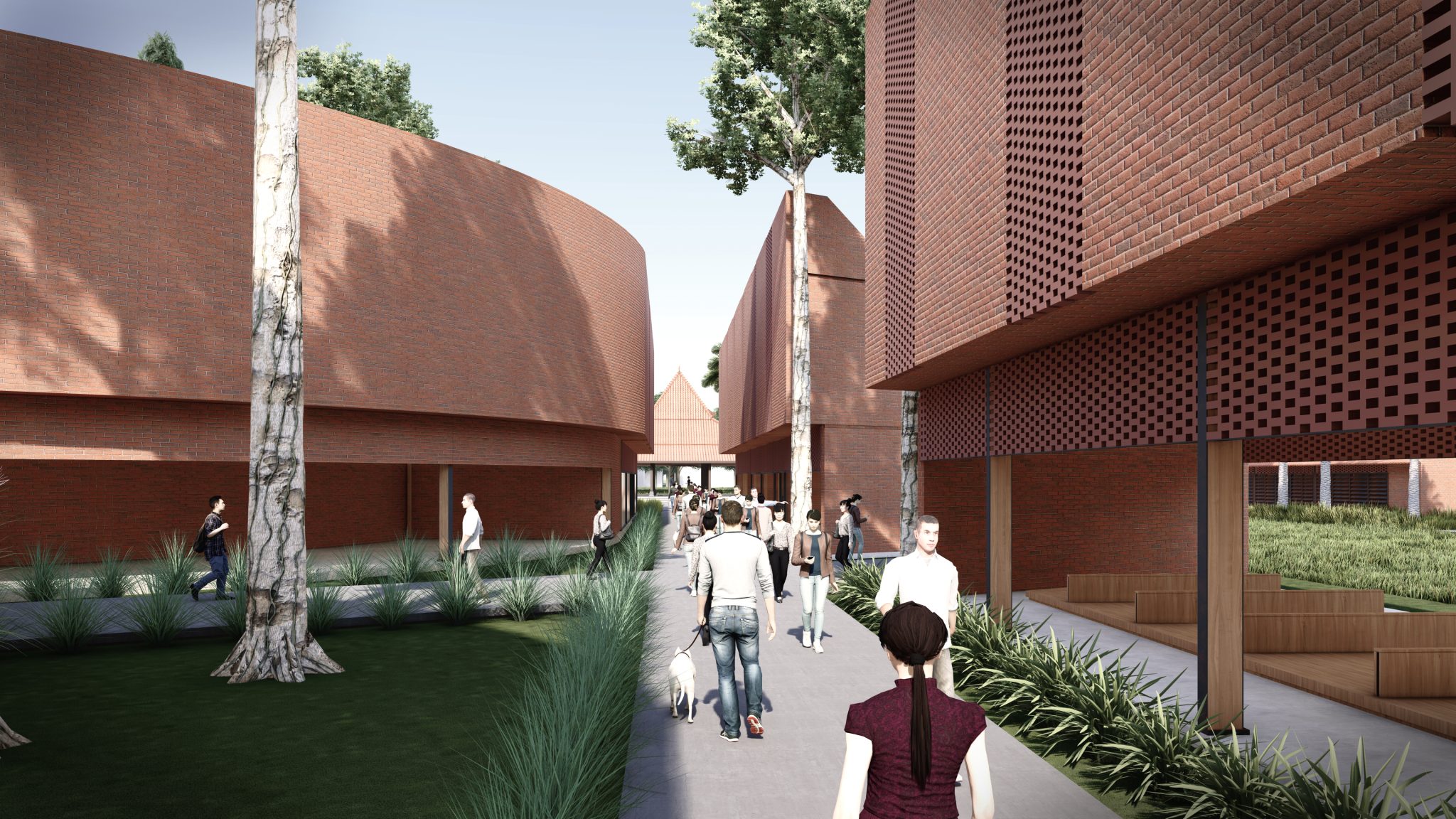
- Scale Dialogue: The building’s single-story plus attic design interacts harmoniously with the scale of surrounding buildings, creating a balanced relationship with its context.
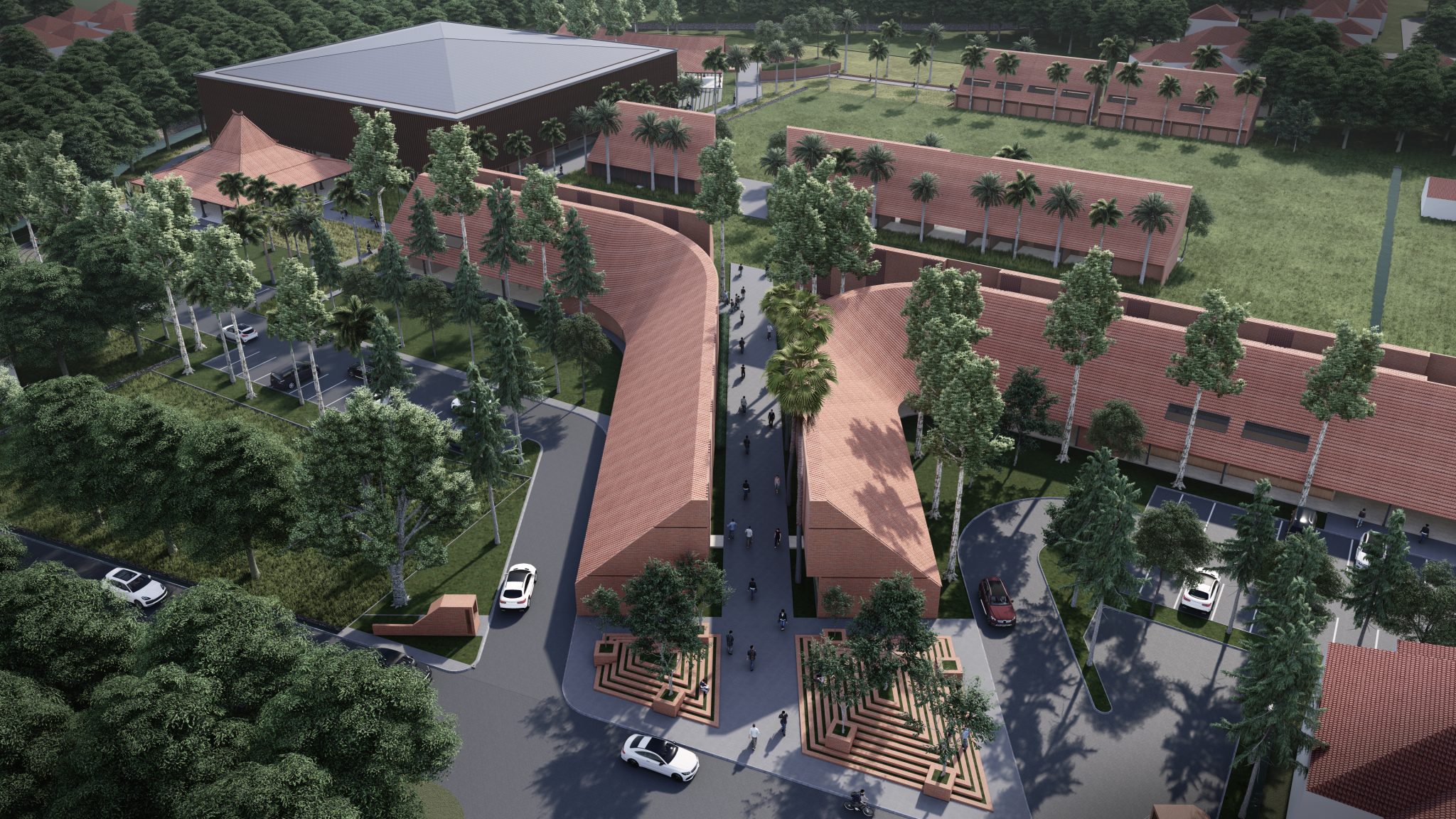
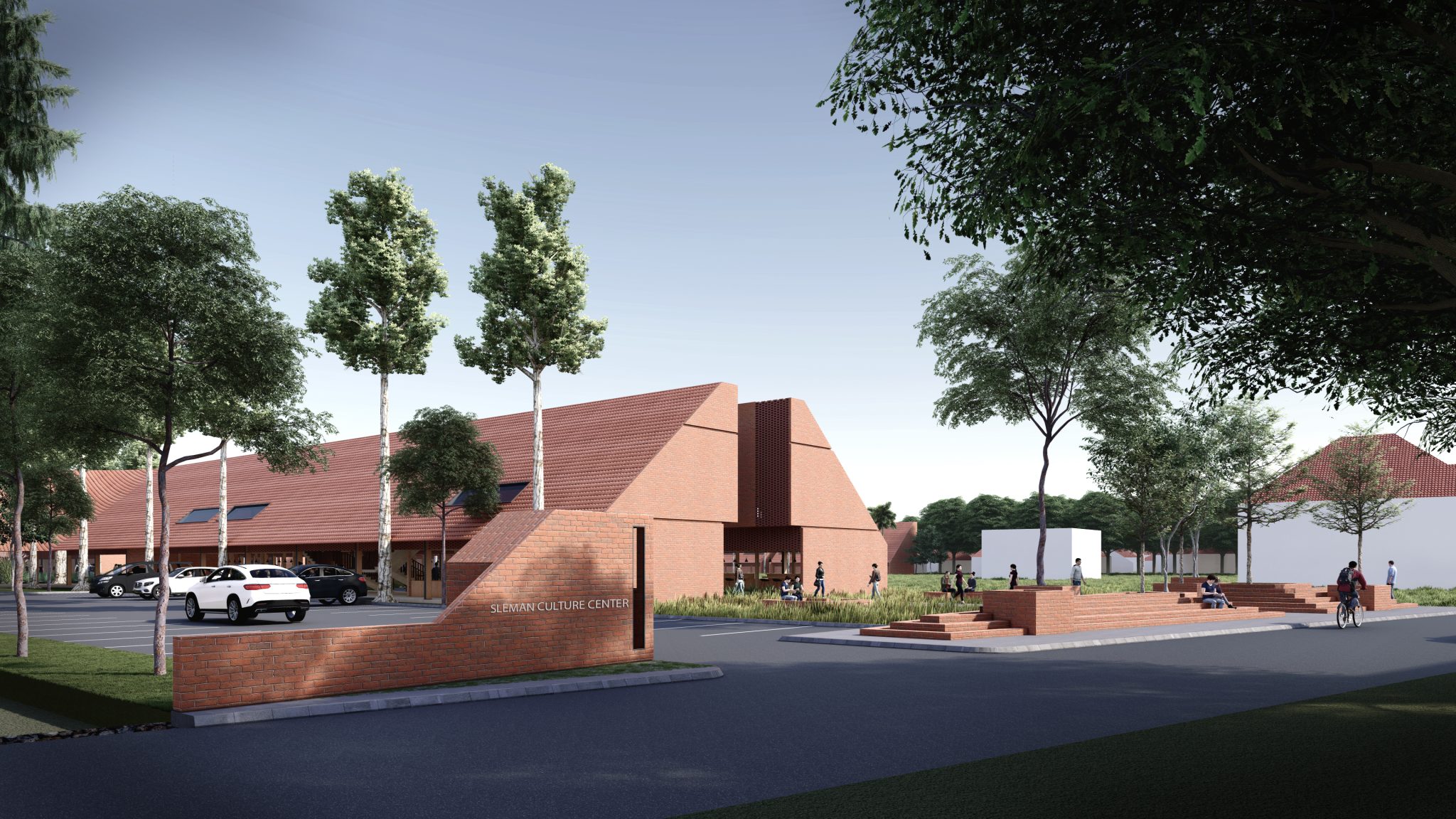
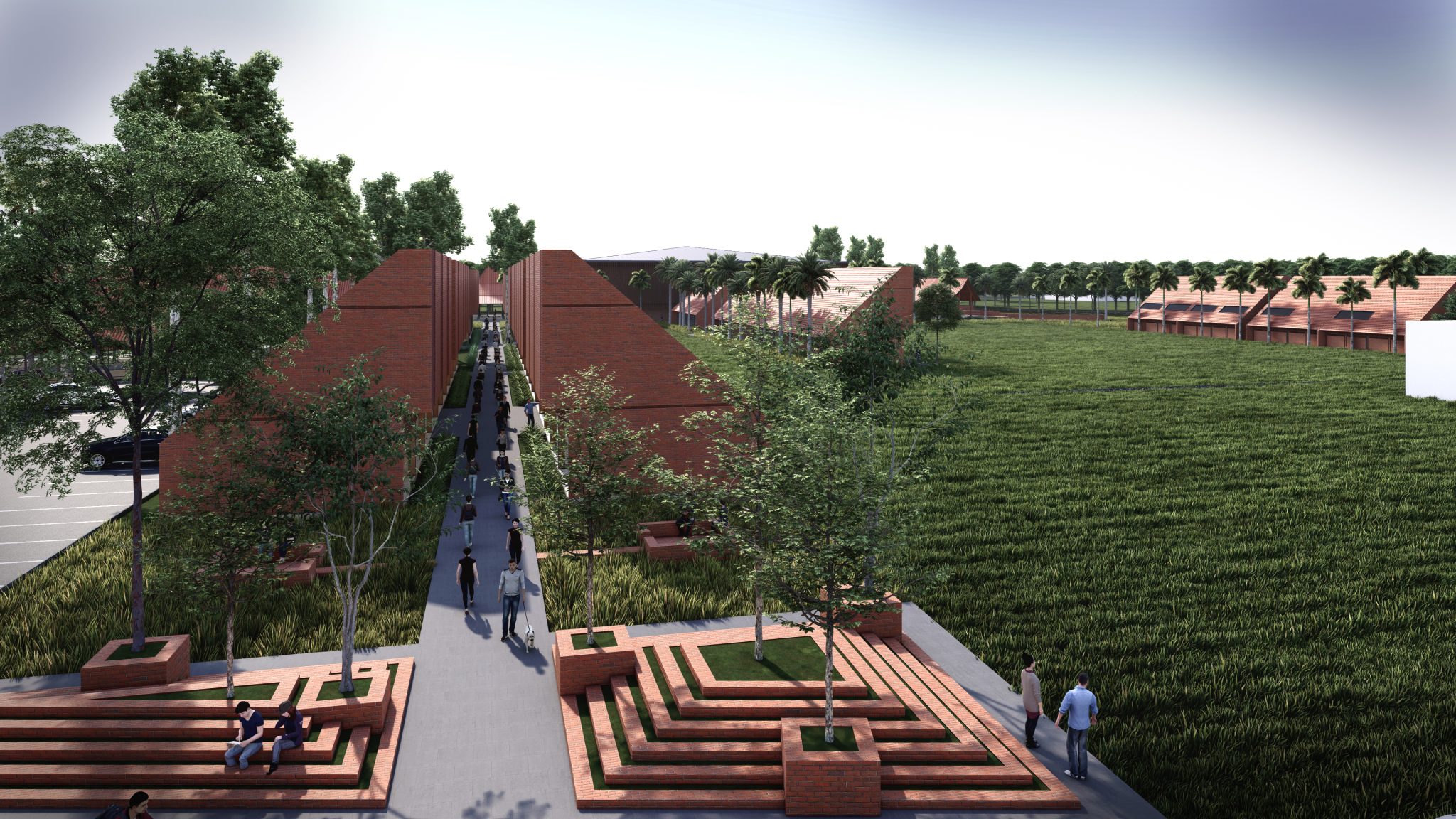
- Nature Metaphor: The design incorporates natural metaphors, such as mountain-like seating areas in the public space and a “Gunungan” (a traditional Javanese symbol) silhouette at the entrance, made from brick.
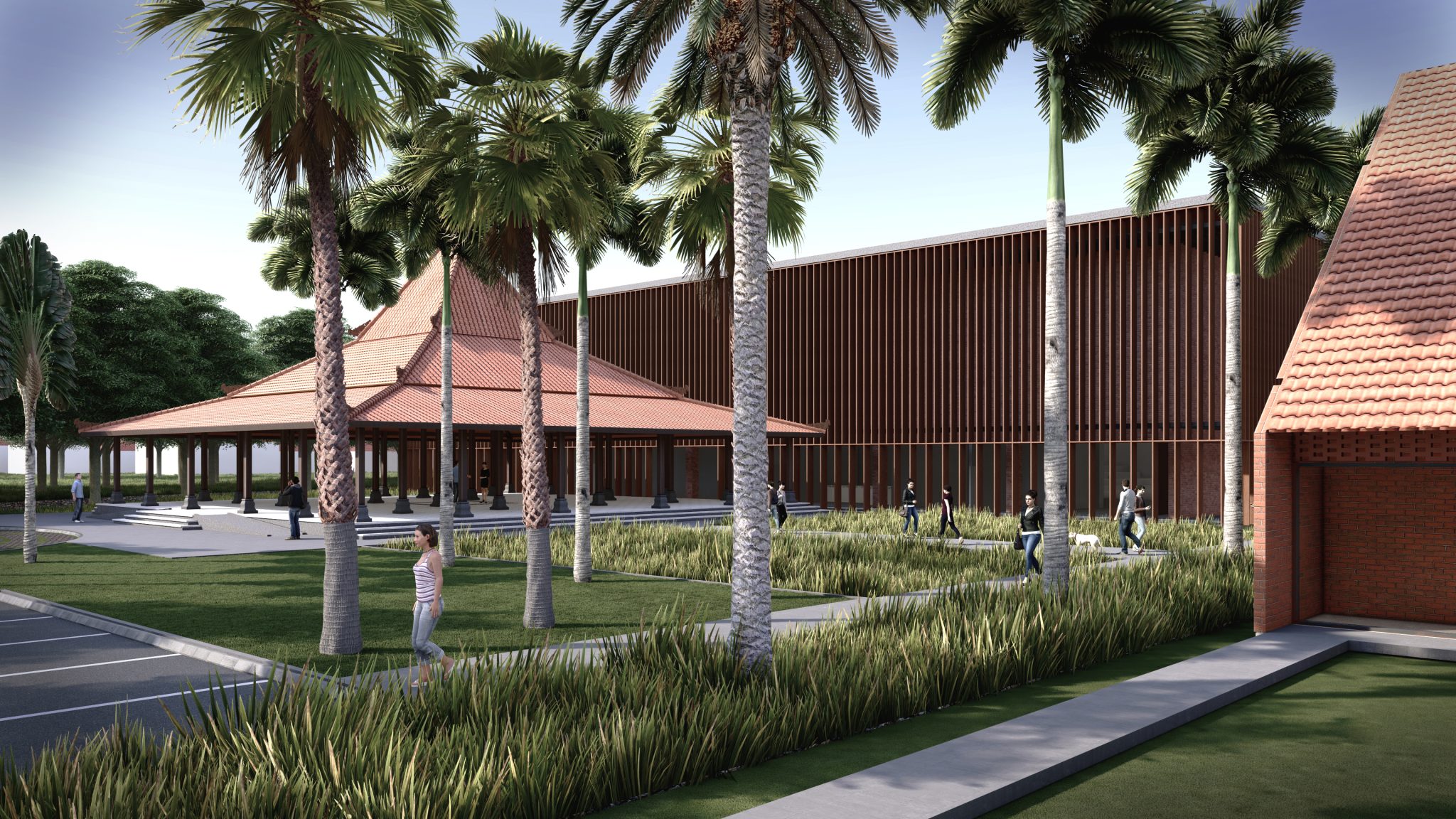
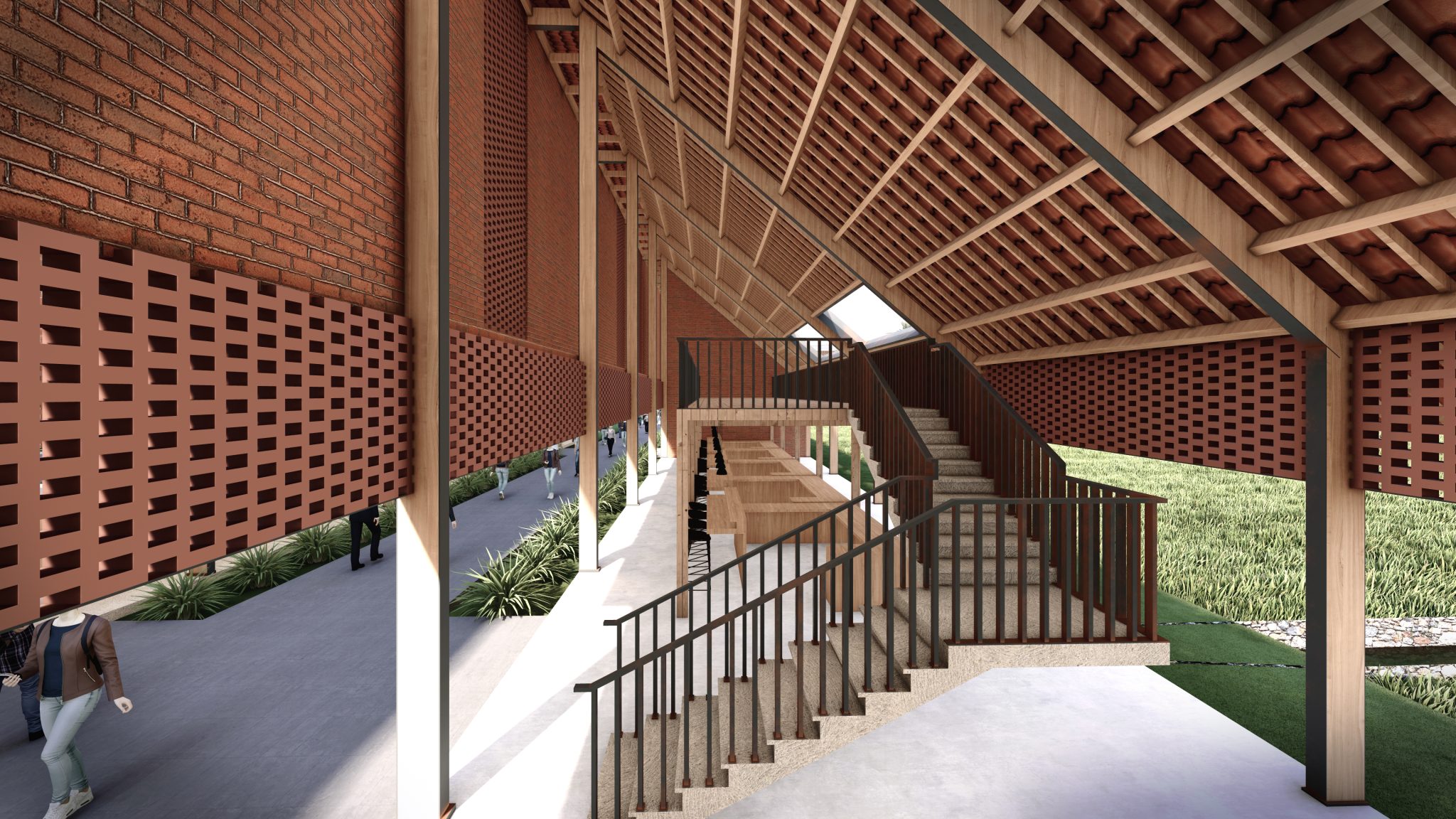
- Rice Field Landscape: The integration of rice paddies in the landscape serves as a reminder of the importance of maintaining harmony with nature.
- Public Access: The public spaces feature a continuous corridor leading to a plaza that serves the community both day and night.
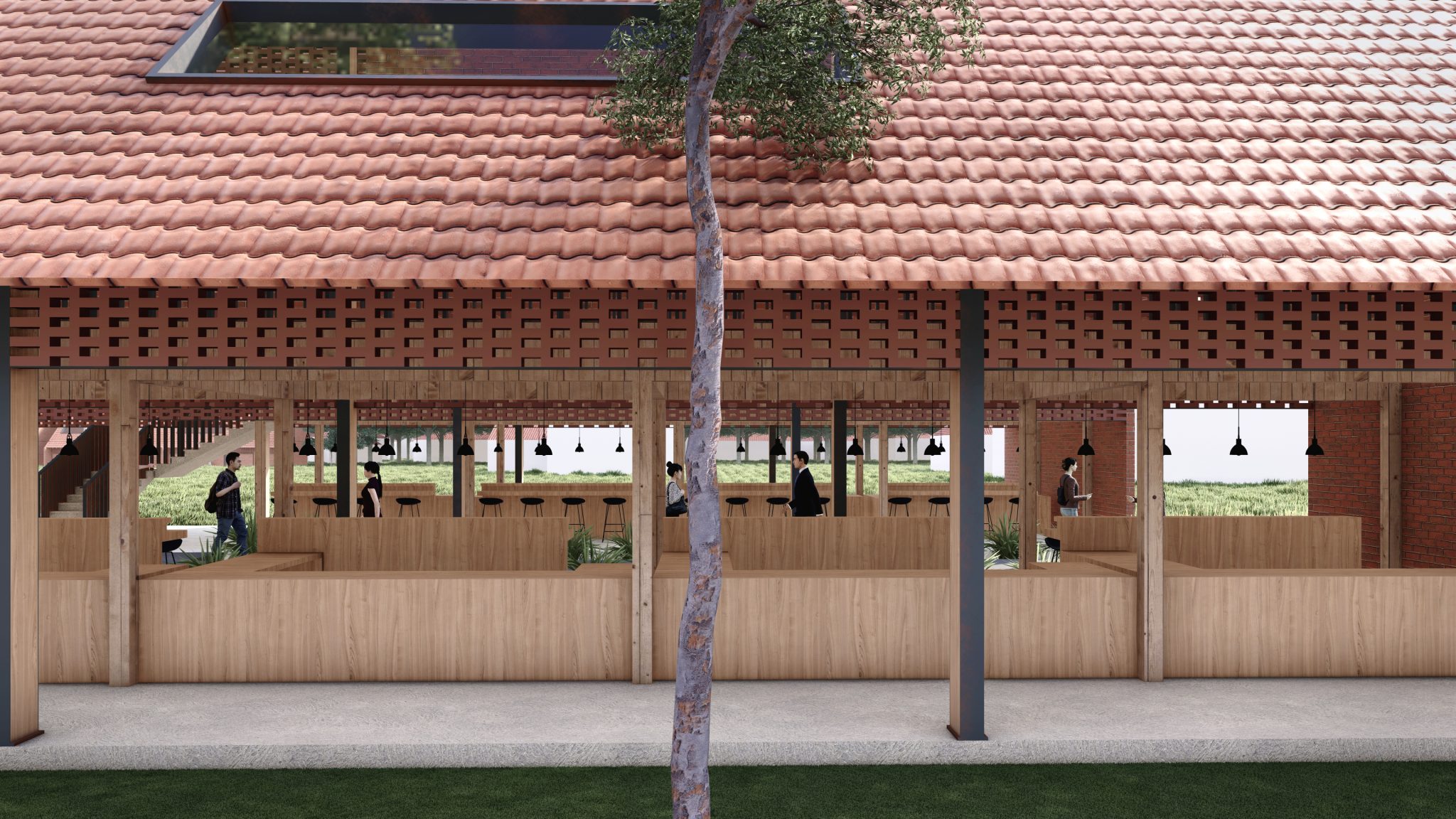
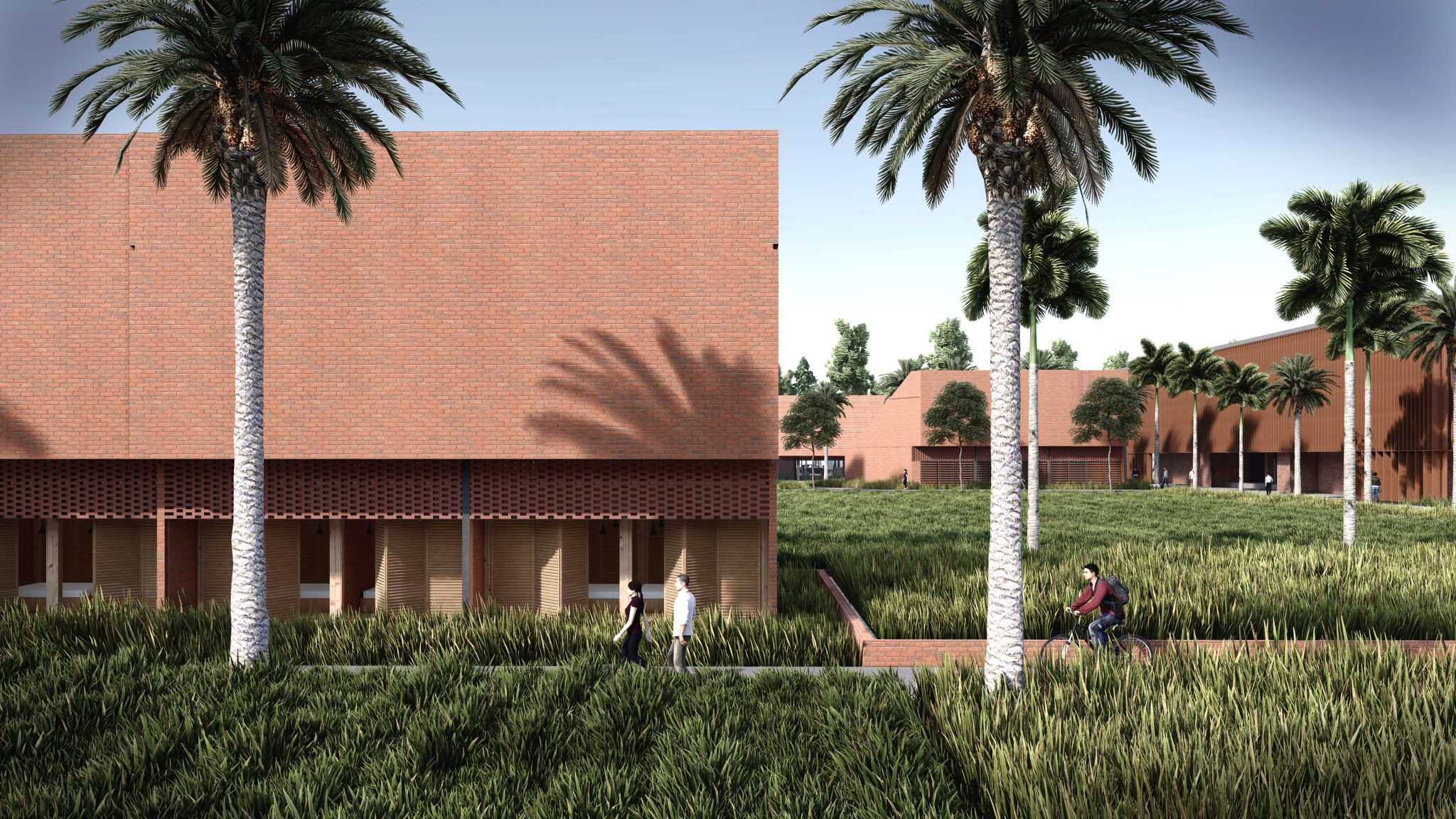
- Commercial Spaces: Directly accessible commercial buildings and quiet homestay areas are thoughtfully positioned for convenience.
- Cultural Parade Route: An “infinite loop” route allows for uninterrupted cultural parades and community activities, accommodating events as needed without disrupting the surrounding roads.
- Tropical Architecture: The design embraces tropical building principles, including chimney effects, shading, cross-ventilation, and natural light to ensure comfort in the tropical climate.
- Parking and Mechanical-Electrical Systems: Parking is strategically located close to the road for ease of access, and mechanical-electrical systems are centralized near the performance building for efficient operation.
The Sleman Cultural Center stands as a testament to how thoughtful design can bridge cultural heritage with modern functionality, offering a space where tradition and innovation coalesce beautifully.