
PERKANTORAN TERPADU PEMKAB MENTAWAI


- SERVICE
- CLIENT
- LOCATION
- SIZE
- YEAR
- STATUS
- TEAM
- Architecture, Landscape, Competition (1st Winner)
- Pemerintah Kabupaten Mentawai
- Mentawai, Sumatera Barat - Indonesia
- 100 Ha
- 2023
- Competition
-
Ezra Ganesha
Dedi K. Dwitomo
Fajri Ferdiansyah
Herlambang Andhika M. D.
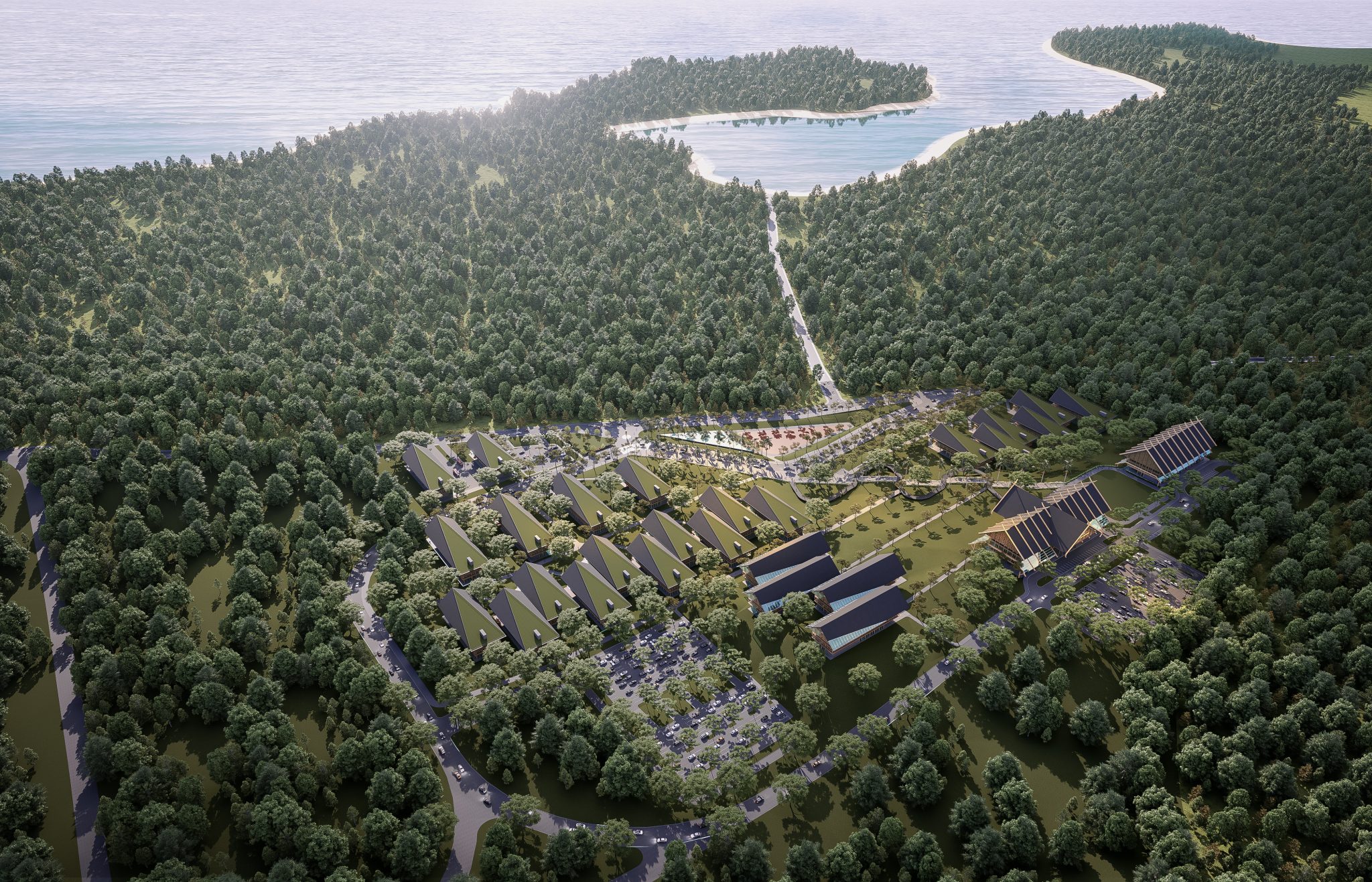
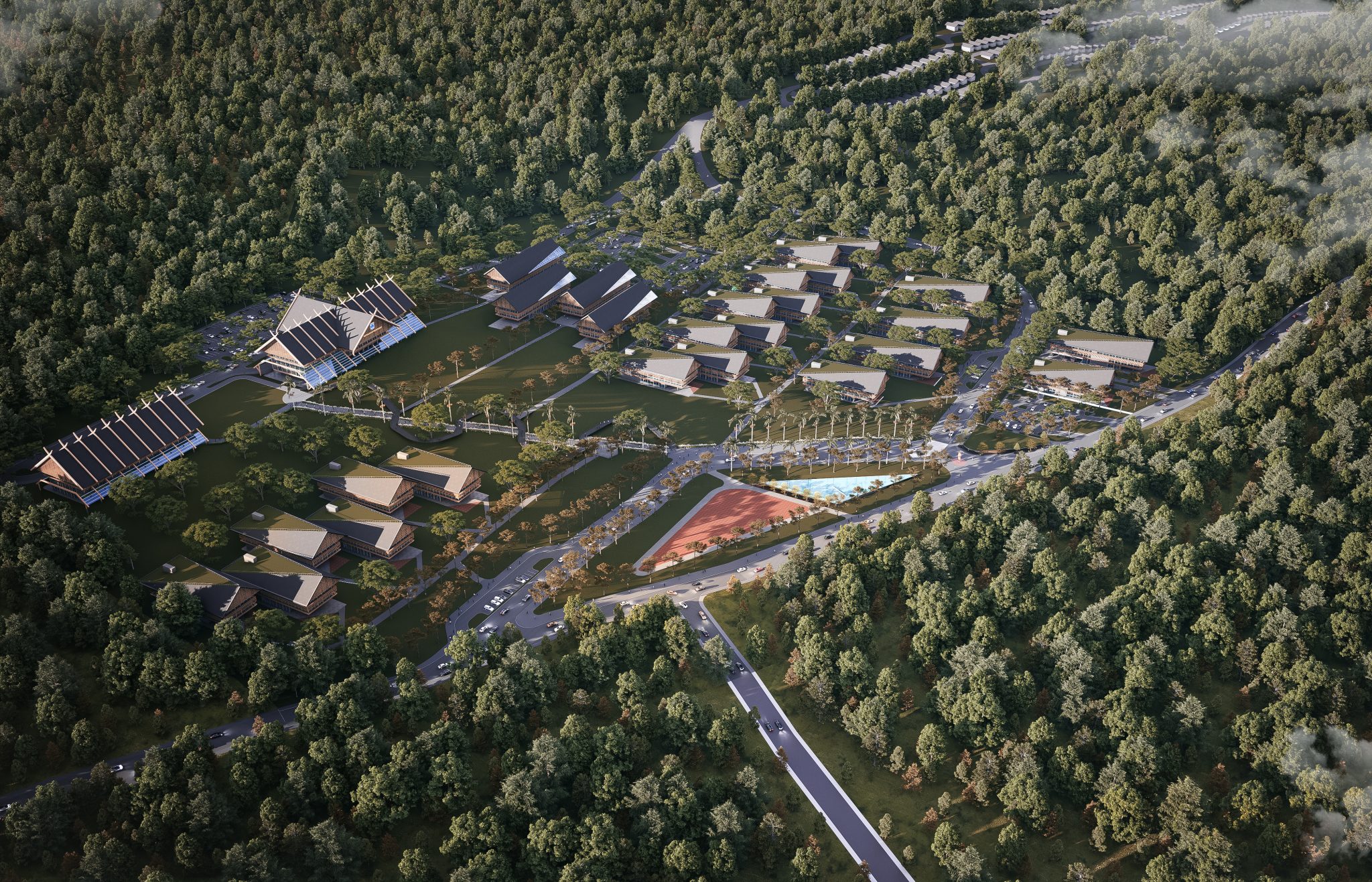
The close-knit communication bond between the Mentawai tribe and the Uma (Ancestral House) serves as a significant concept, positioning the government as a symbol of the communication center for the Mentawai people. The wooden architecture of the Uma acts as a veneer for its steel and precast concrete structure, expediting and facilitating the construction process. Various types of modified Umas have been designed to enhance user and visitor orientation and create a visual hierarchy. The contours, height, and optimal sea-facing views have inspired us to truly appreciate the strategic position of the “Puncak” or “Buttet” in this site design.
In each of our department’s standard office buildings, we have included a rooftop that not only adds aesthetic value but also allows workers to indulge in breathtaking panoramic views of the sea from atop their respective buildings. Furthermore, for the offices of the Regional Government Agencies (DPRD) and the Regent, we have allocated spaces on the upper floor overlooking the beach and sea to facilitate discussions on the future development vision of the Mentawai waterfront area.
The Mentawai culture embodies a philosophy of harmonious coexistence with the surrounding environment and emphasizes effective communication between the Uma ancestral houses and tribe members, even over long distances. This cultural foundation is the primary asset of the local population in their pursuit of sustainable development for the Mentawai regency. Our approach prioritizes environmental consciousness by preserving the water flow area, maintaining the natural contours, and establishing a conservation belt for flora and fauna on the land. This ensures that endemic species maintain unbroken connections with the surrounding forests.
The strong bond of communication between the Mentawai tribe and the Uma is a central concept, establishing the government as a symbol of the Mentawai people’s communication hub.