
MRT STATION KOTATUA JAKARTA











- SERVICE
- CLIENT
- LOCATION
- SIZE
- YEAR
- STATUS
- TEAM
- Architecture, Interior, Landscape, Urban Design, Competition (Entry)
- MRT Jakarta
- Jakarta - Indonesia
- 1,2 ha
- 2022
- Competition
-
Ezra Ganesha
Fajri Ferdiansyah
Our design proposal for the underground MRT Station in Kota Tua Jakarta merges historical reverence with contemporary urbanism to create a distinctive urban experience. The project’s narrative draws inspiration from the rich cultural and historical context of Kota Tua, a neighborhood that has long been a pivotal maritime hub. The station and its surrounding urban design are envisioned as a tribute to the area’s seafaring past and its vibrant public spaces. Our concept, Berlabuh di Kota Tua—which translates to “Docking in the Old City”—captures the essence of nostalgia, sails, and lanterns, reflecting the area’s storied maritime heritage and lush, garden-like character.
Architectural and Urban Design Concept
The design concept for the Kota Tua MRT Station is deeply rooted in the maritime history and cultural evolution of Jakarta. The term Berlabuh di Kota Tua evokes the imagery of ships docking in a historic port, a fitting metaphor for our architectural approach. We have meticulously woven elements of this maritime theme throughout the design to honor the historical and cultural significance of the site.
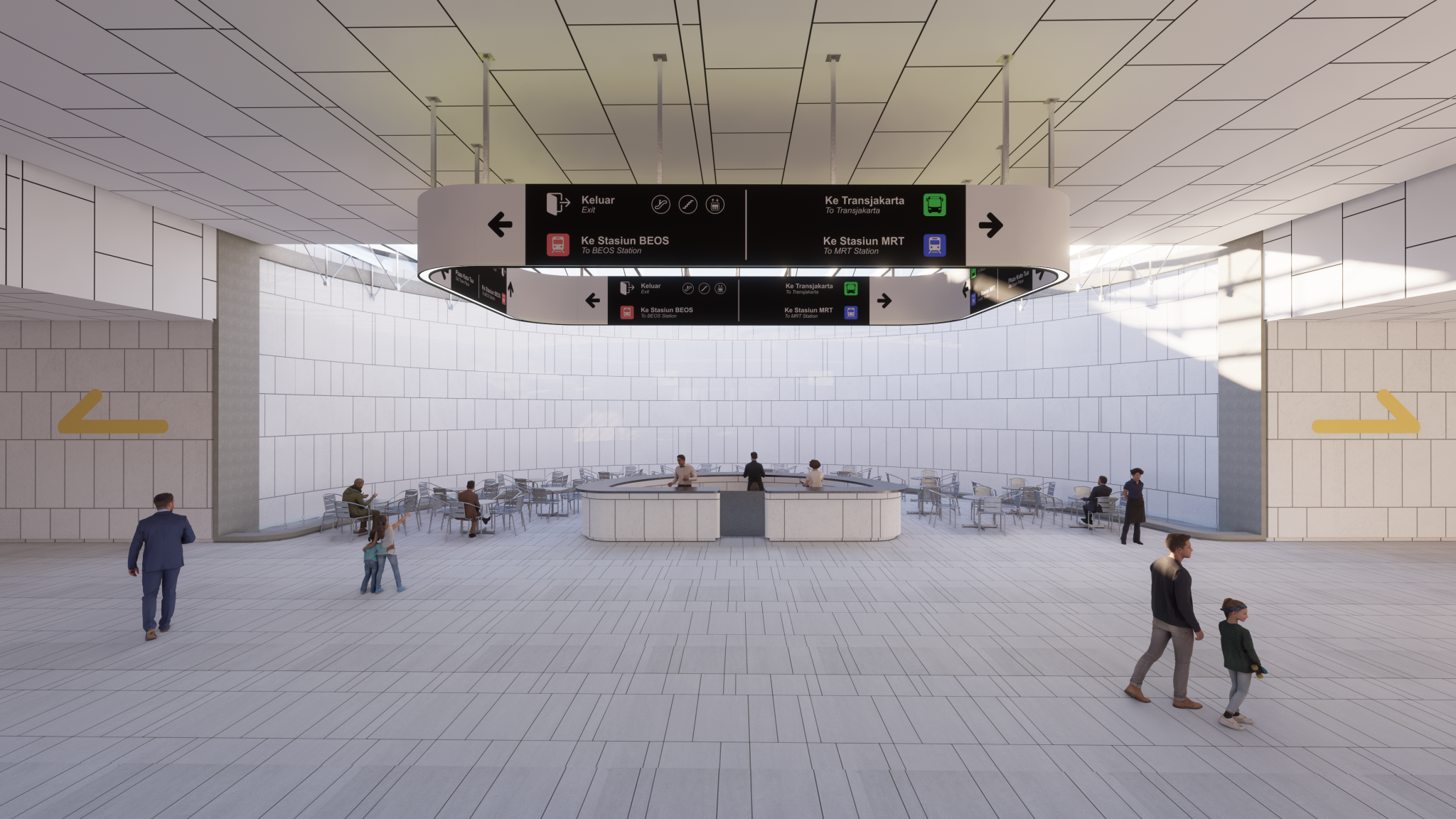
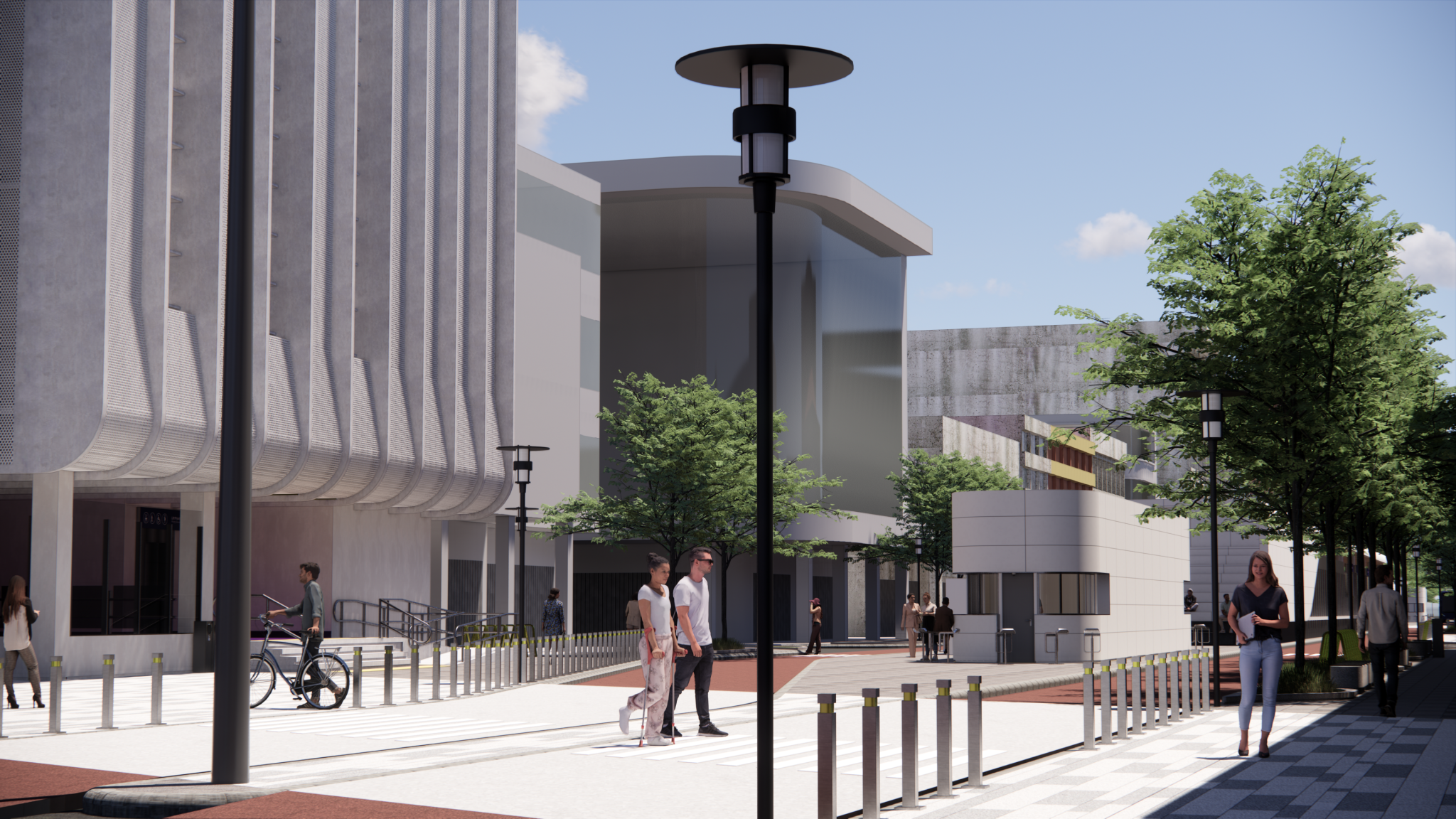
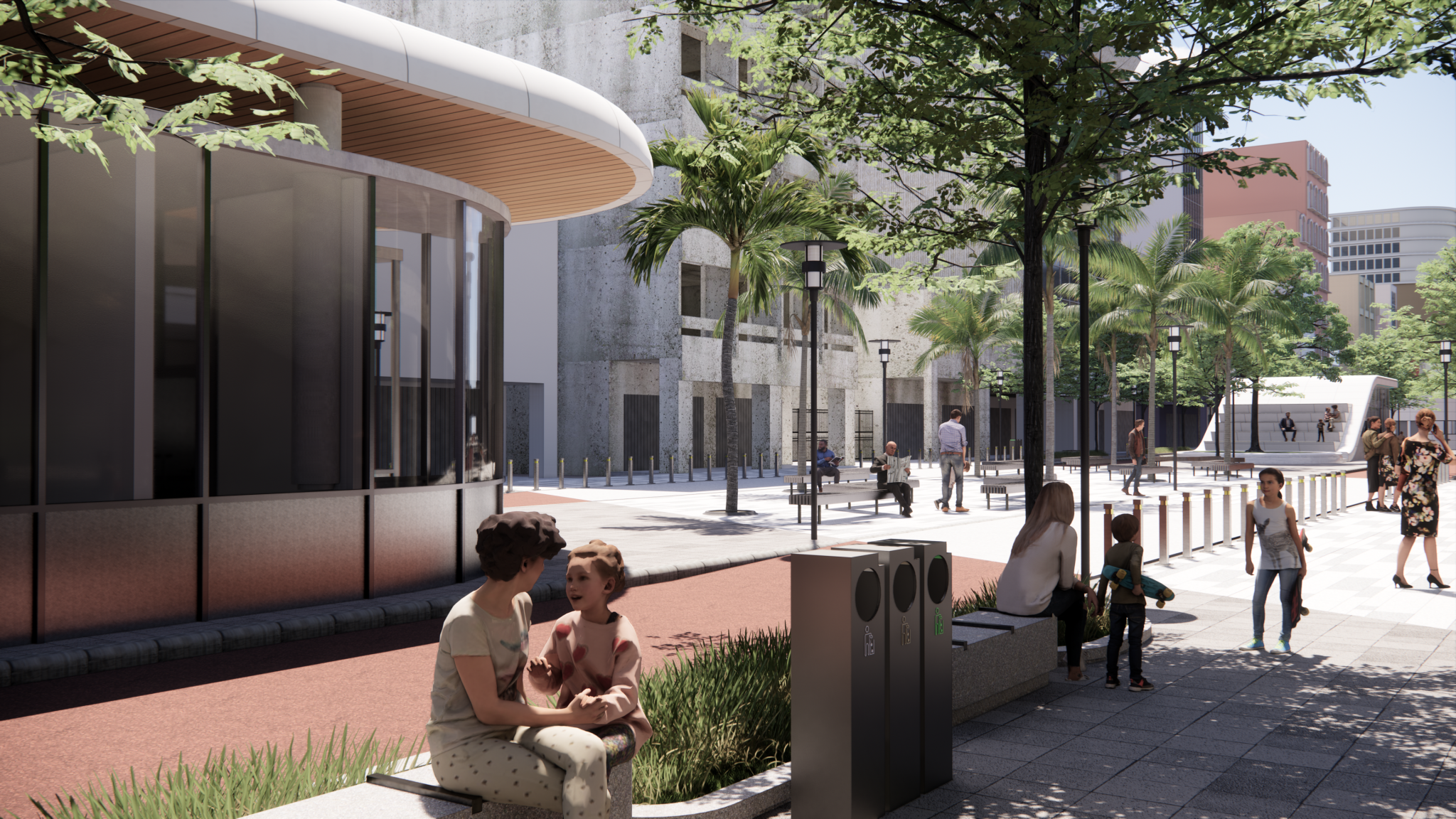
Our approach draws on the rich historical context of Kota Tua, reflecting its geographical and cultural ties to the sea. The name “Batavia” and its predecessor “Sunda Kelapa” both have strong maritime connotations, and our design incorporates these references through various architectural metaphors. For instance, the station’s body is envisioned as the hull of a ship, with the ceiling designed to mimic the galleon’s deck. Vertical structural elements resembling ship’s ribs continue from the exterior facade through to the ceiling, reinforcing the nautical theme.
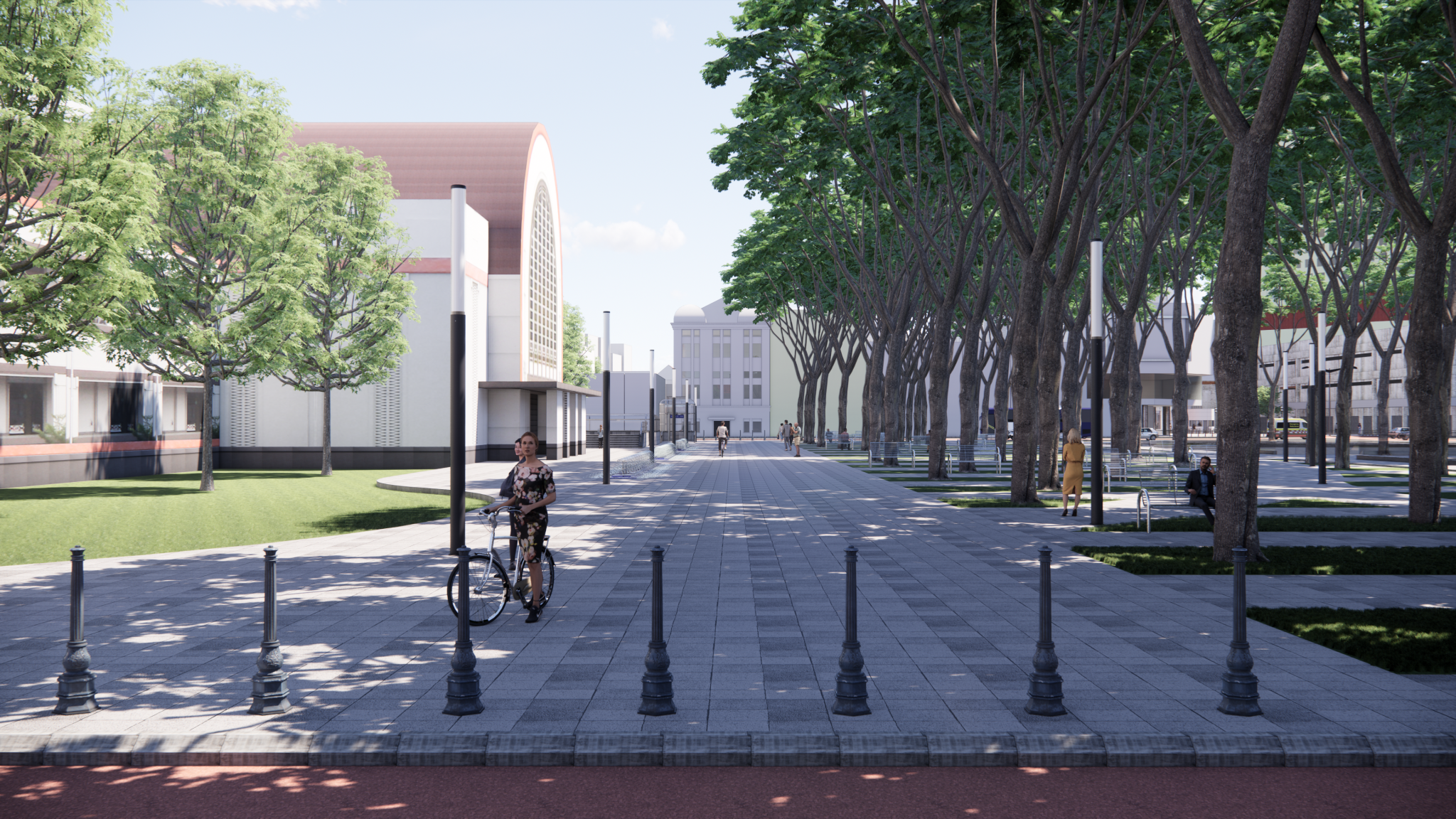
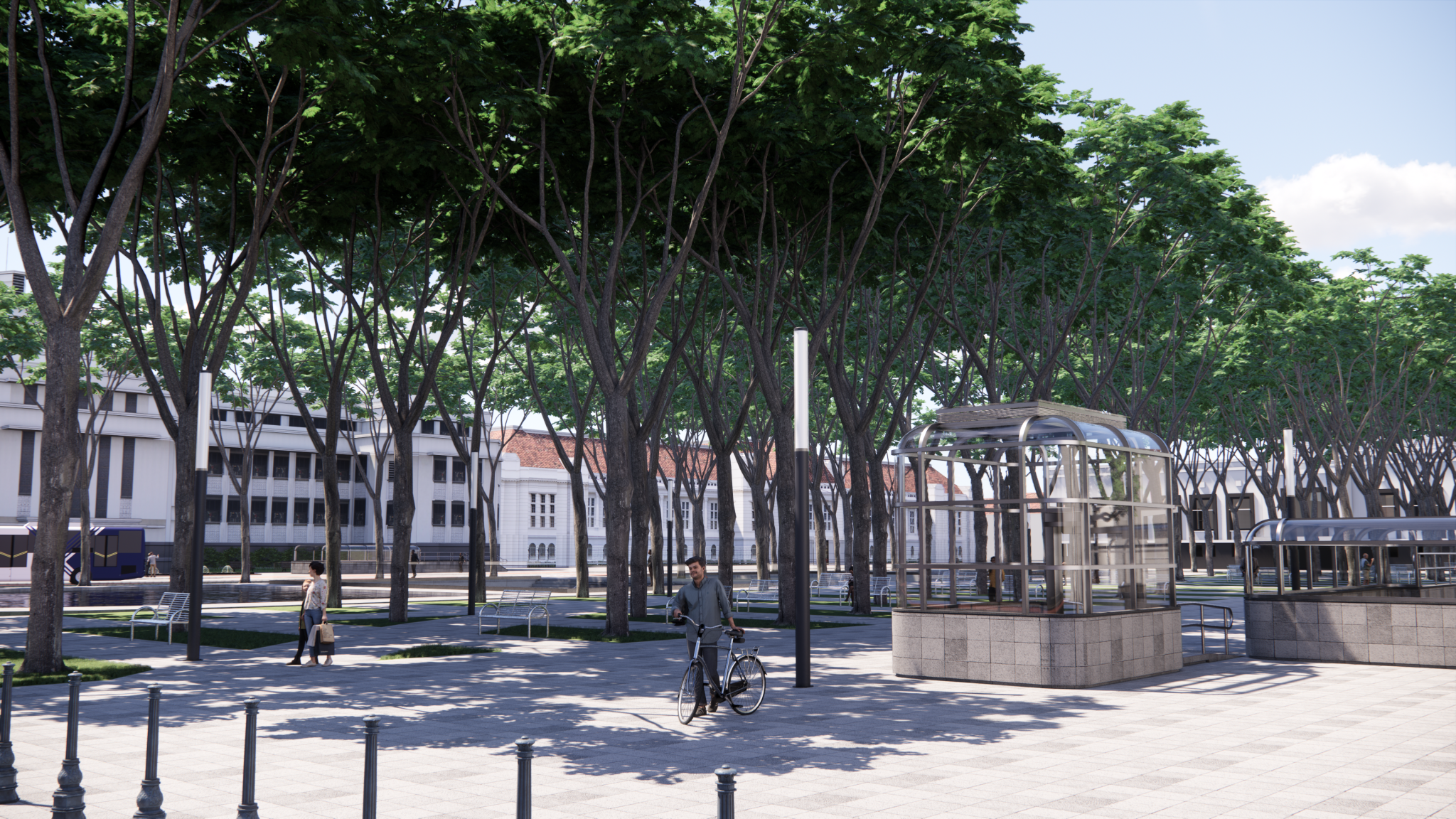
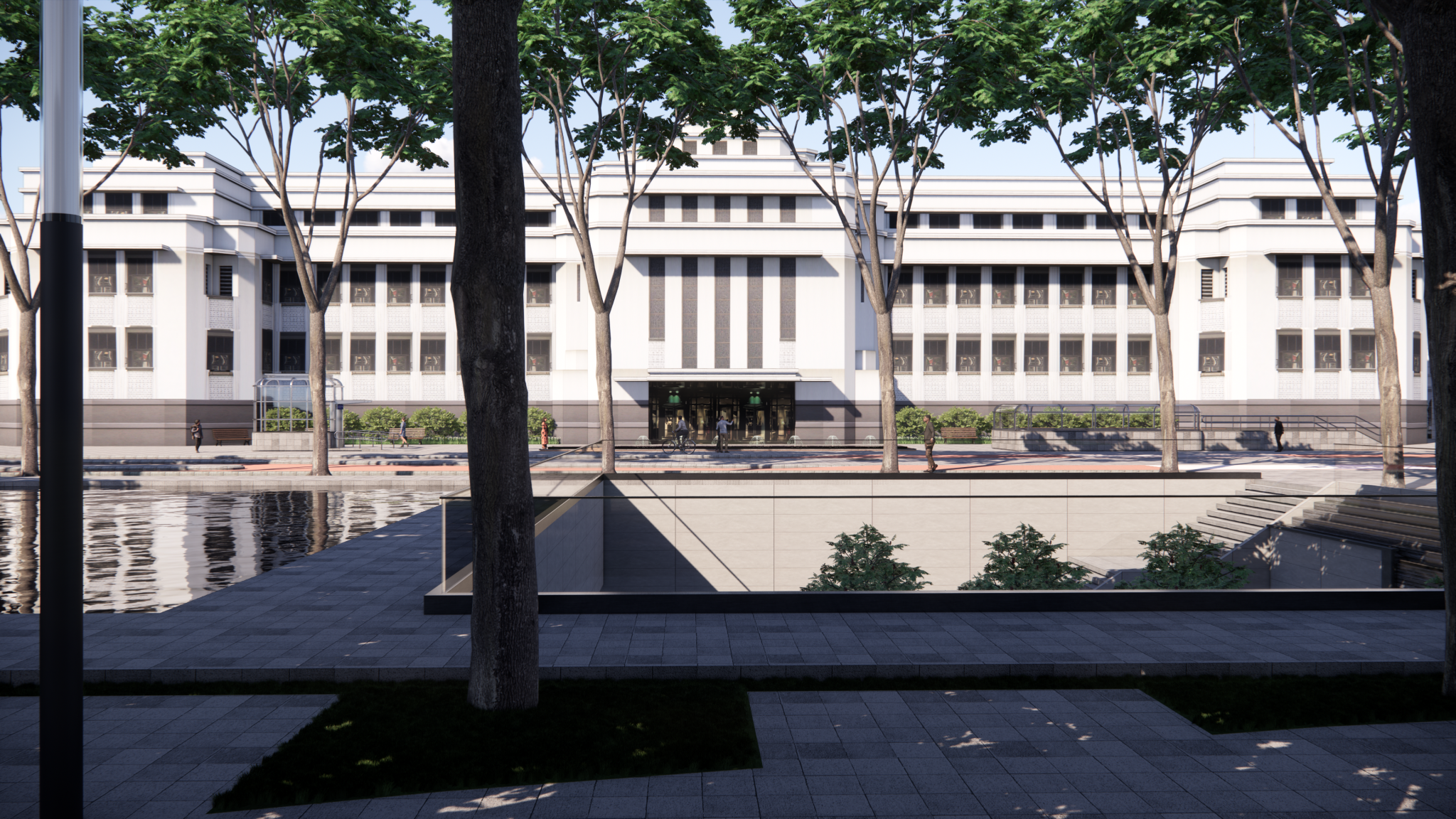
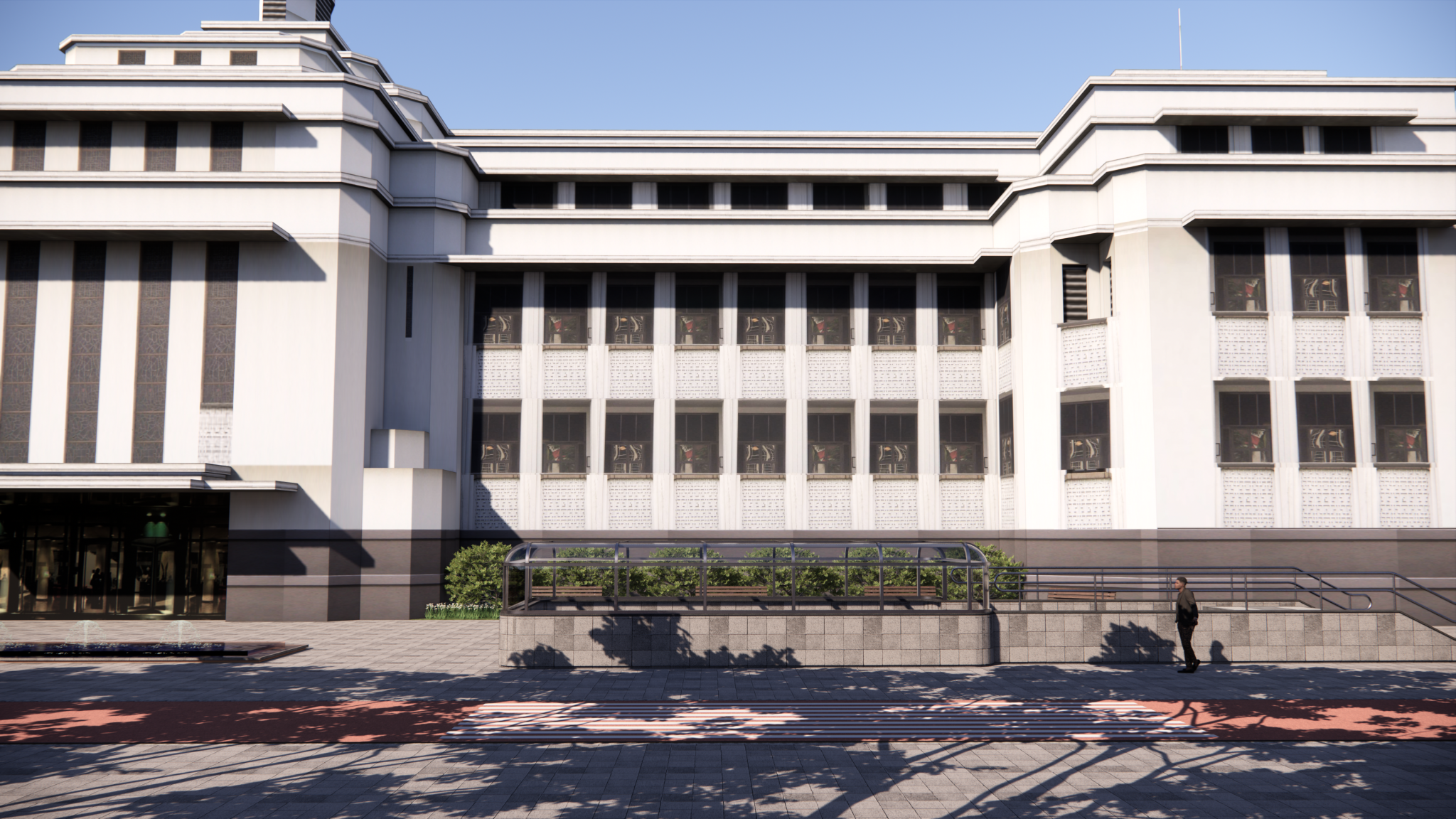
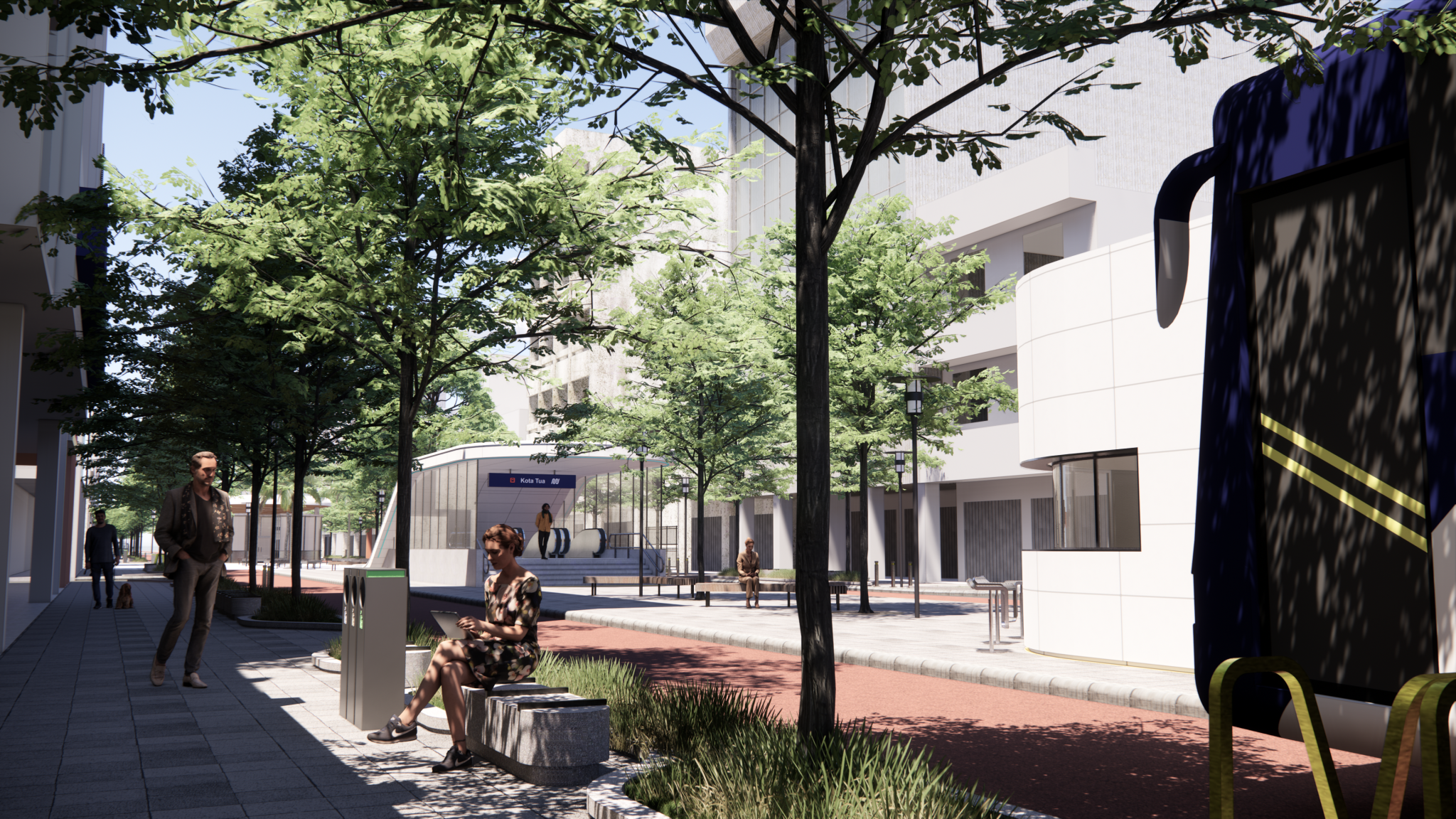
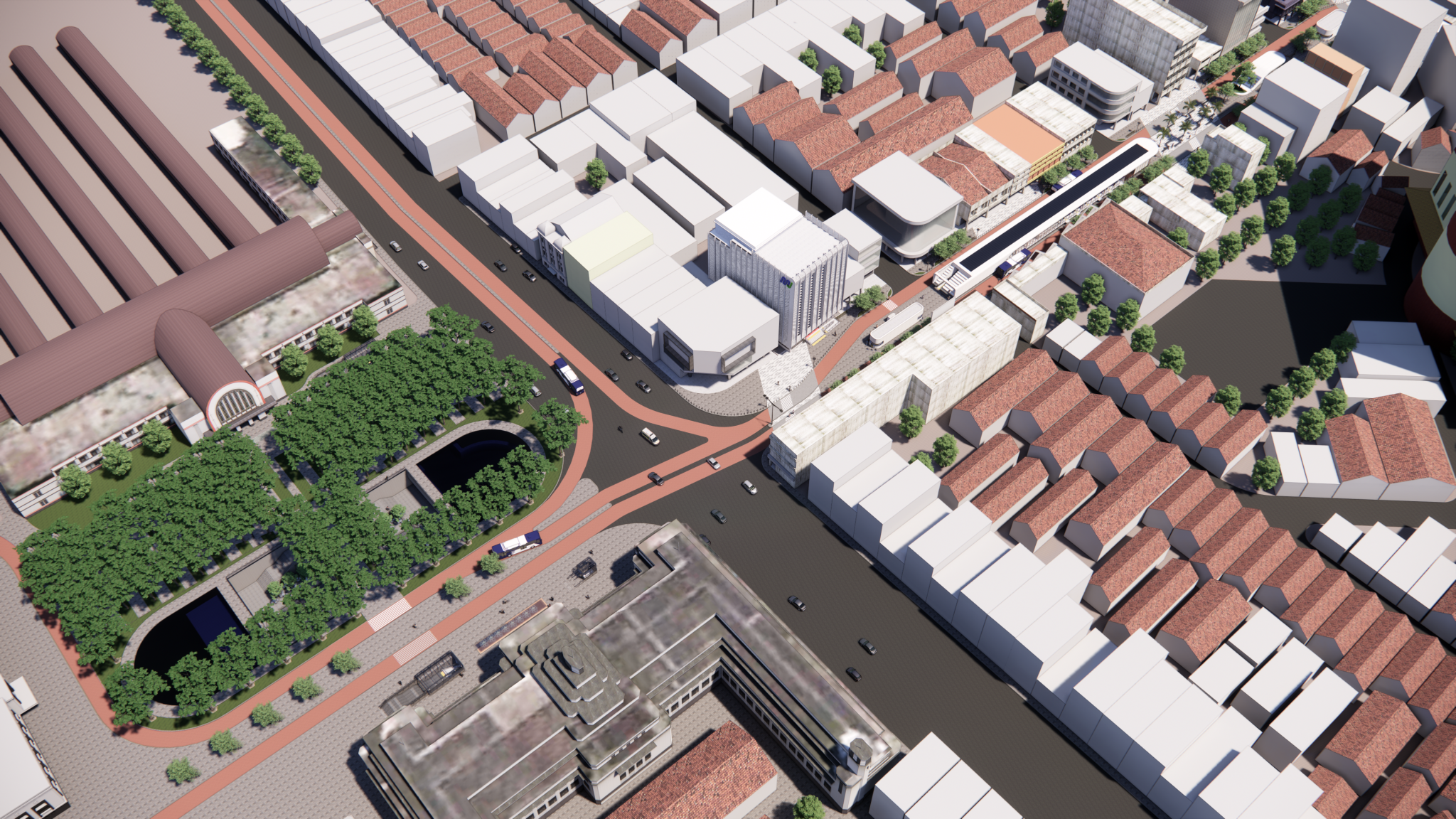
The experience of approaching the MRT entrance and the station’s canopy is designed to evoke the sensation of boarding a ship in the historic city. The buildings along Jalan Sawah Besar will be rendered in a white palette, reminiscent of the city’s past as a bustling port with its horizon dotted by white sails. Simplified forms of lanterns, a nod to historical maritime lighting, will mark the MRT entrance, harmoniously integrating with the nearby heritage buildings like the Museum Bank Indonesia and the Beos Station.
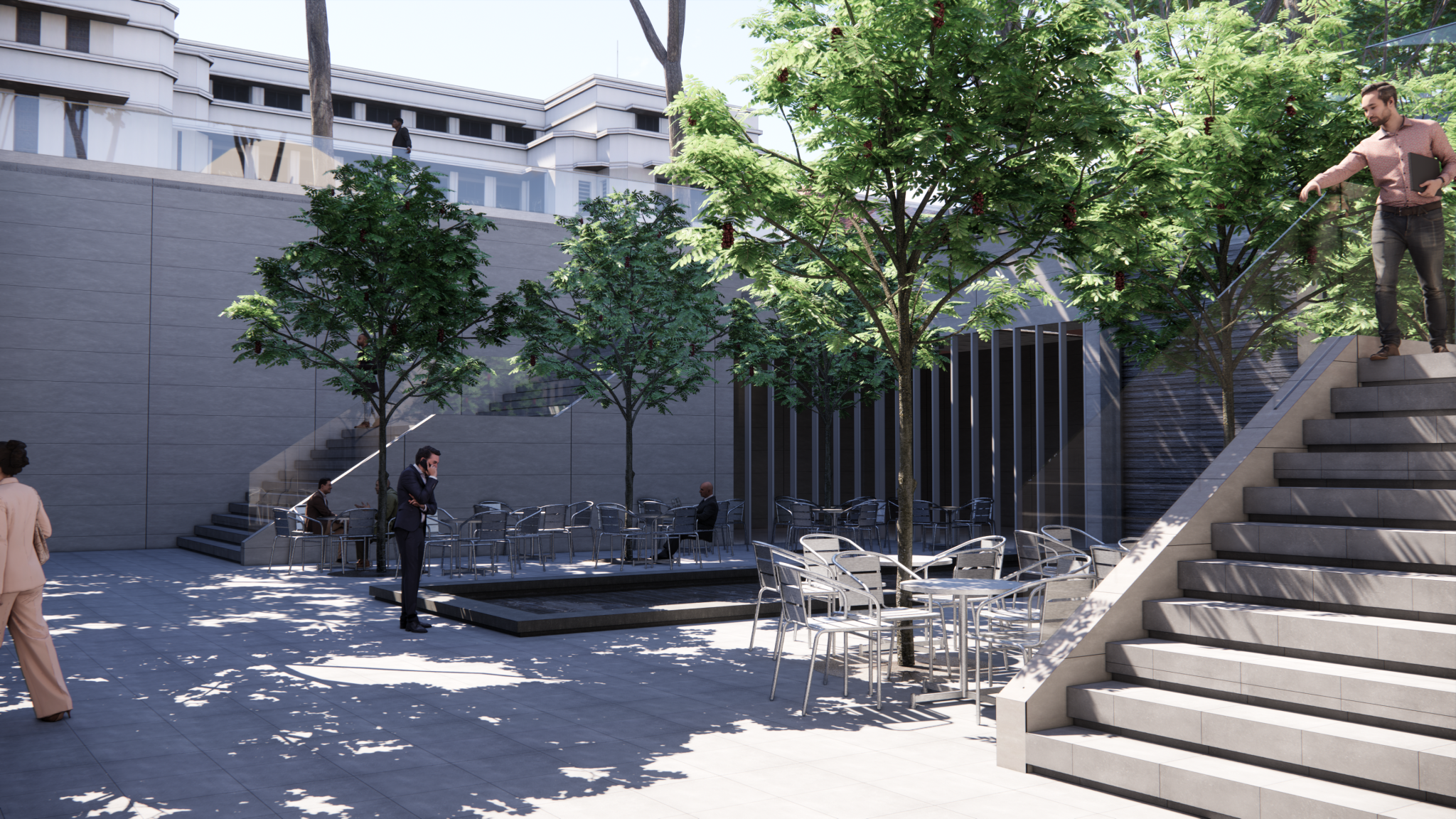
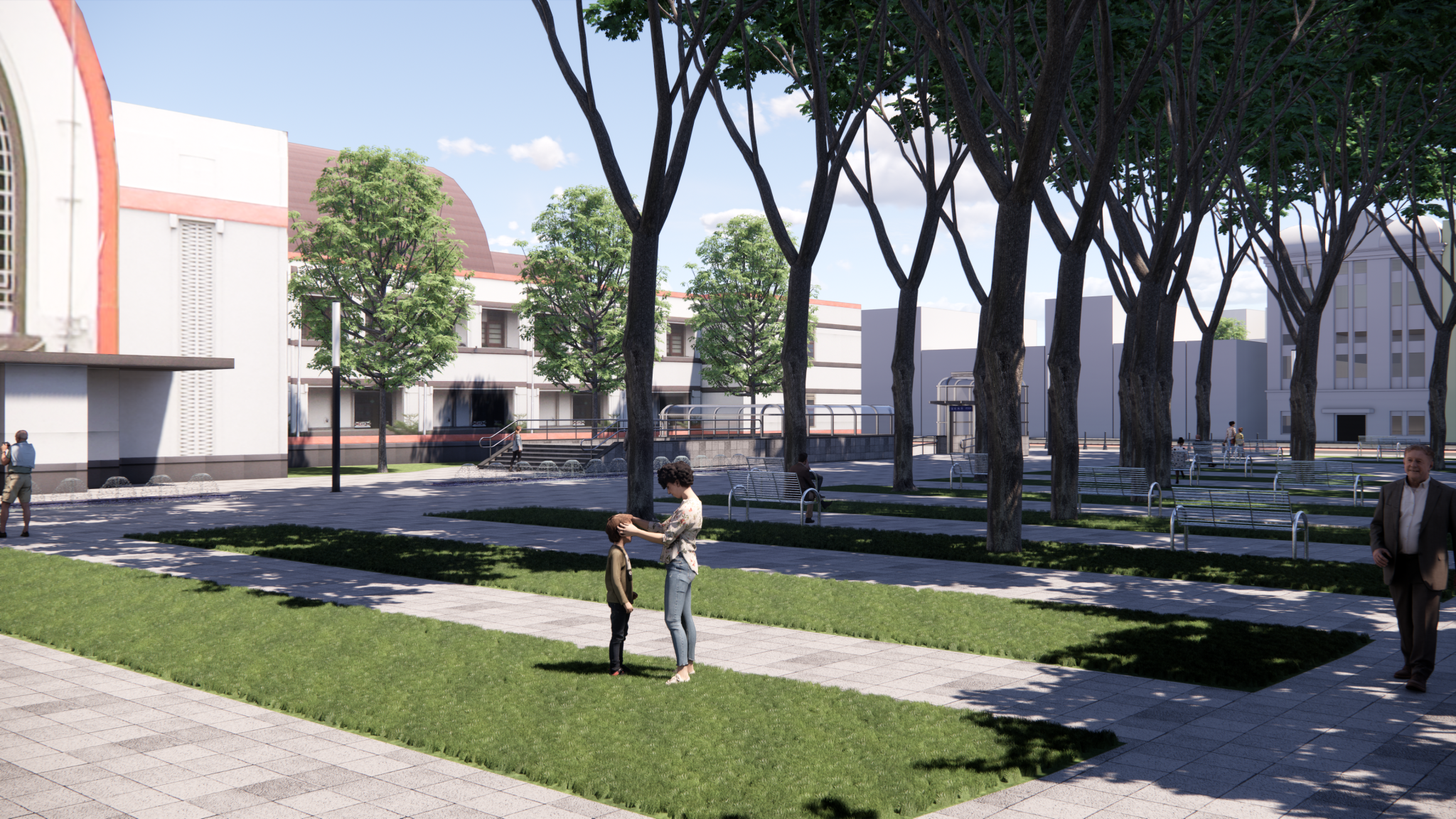
Incorporating the concept of gardens, once praised by European writers as the “Garden of the East,” we propose to enhance the public realm with lush vegetation. The design features native Jakarta trees such as tanjung and kenari, and fruit-bearing plants that will line the streets, enriching the urban landscape. The median areas will be transformed into public plazas with gardens, coconut palms, and an amphitheater, providing vibrant spaces for community interaction and cultural events.
The design for the public plaza in front of the Beos Station introduces two distinctive types of “Oasis”: the “Oasis Hijau” (Green Oasis), which reflects the historic city gardens, and the “Oasis Biru” (Blue Oasis), representing the maritime heritage of the city. These spaces aim to create a dynamic and engaging environment, celebrating both the historical and natural essence of Kota Tua while providing a modern, functional, and aesthetically pleasing urban experience.
In summary, our design proposal for the Kota Tua Underground MRT Station envisions a rich tapestry of Jakarta’s maritime and botanical heritage, translated into a contemporary urban fabric. By integrating historical motifs and creating vibrant public spaces, we aim to enhance the cultural and spatial experience of Kota Tua, reaffirming its status as a landmark of historical and modern significance.